Paper track 02
Publication Information
- Category: Conference paper
- Research Area: Ergonomics, Industrial Design, Human Factors Engineering
- Publication Year: 2025
- DOI: 10.46254/BA08.20250074
Risk Factors for Musculoskeletal Symptoms among Tea Pluckers in Sylhet with a Proposed Ergonomic Basket Design
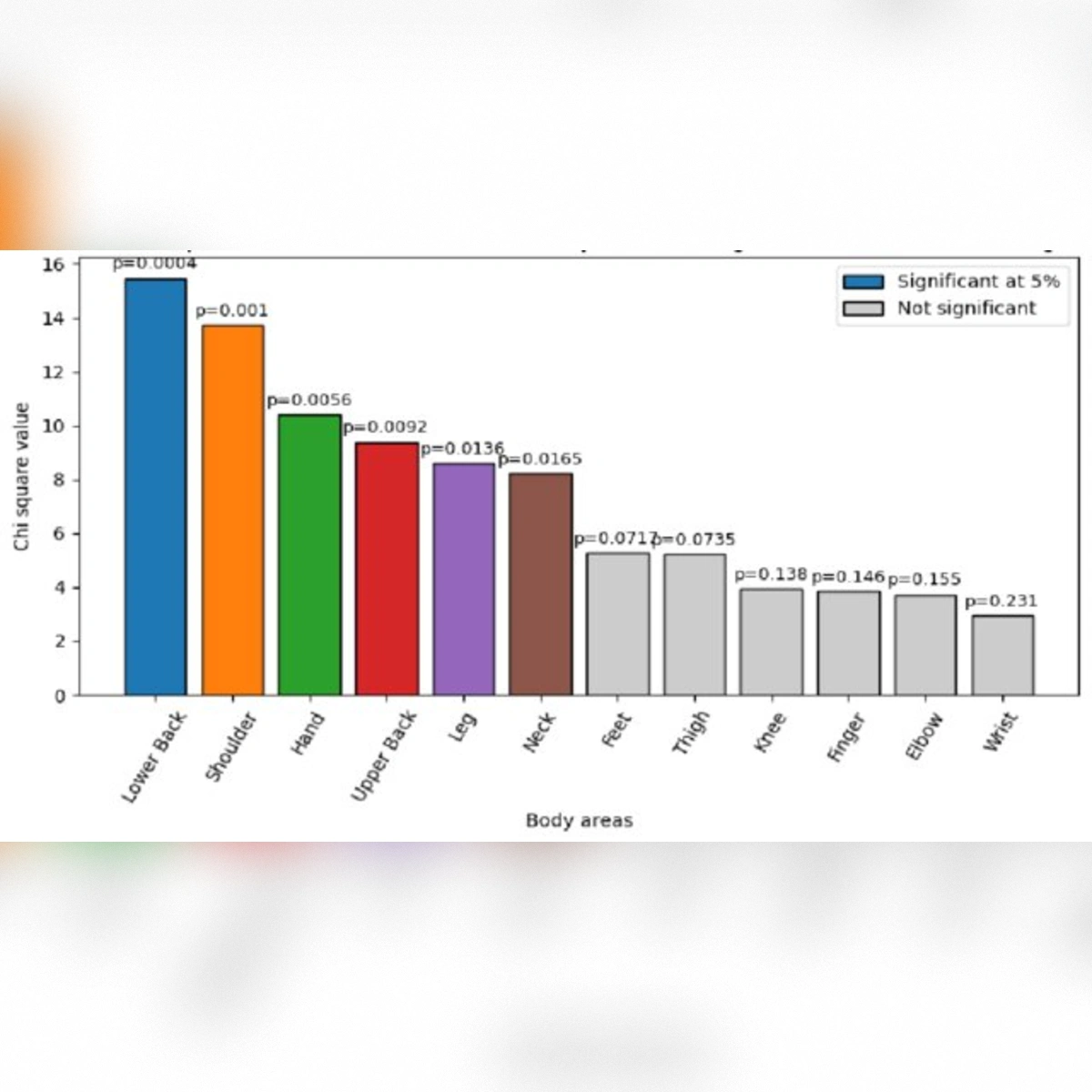
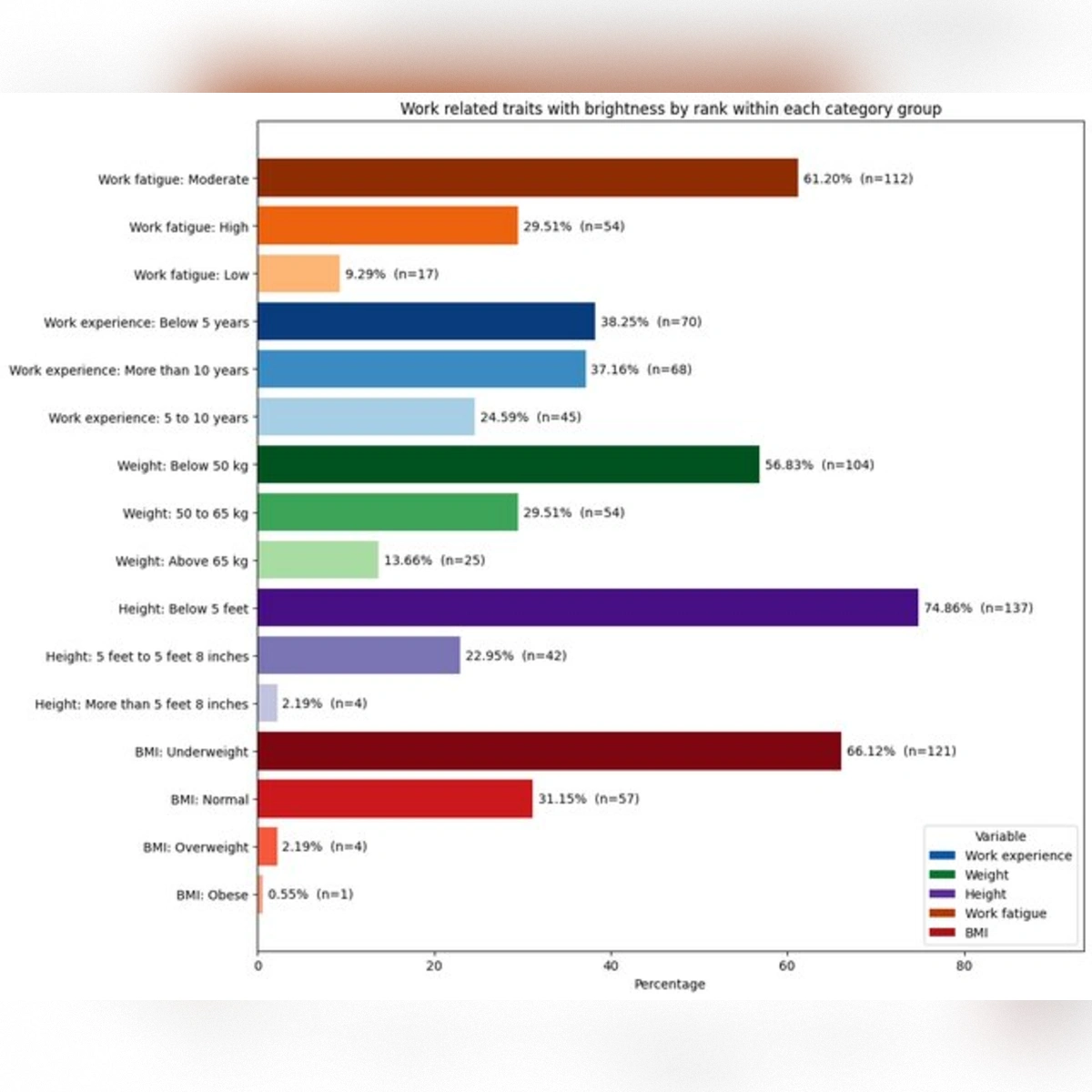
This article aims to evaluate the prevalence of musculoskeletal disorders and also assess the risk factors among teapluckers at the Tarapur tea estate in Sylhet. A cross-sectional survey was conducted among 183 workers using theStandardized Nordic Questionnaire to record symptoms in nine body regions associated with sociodemographicfactors, including age, height, weight, Body Mass Index (BMI), experience, and work fatigue. Pearson's chi-squaretests have been used to unveil the relationships between sociodemographic factors and body parts. A sample size of183 was calculated using the Slovin formula with a confidence interval (CI) of 95 percent. The results showed thatthe effect of musculoskeletal risk (MSDs) occurred mainly in the lower back, shoulders, and hands. However, age,height, weight, BMI, and fatigue at work demonstrated a strong correlation with musculoskeletal symptoms in severalregions of the body. This article helps tea workers who have involved in high repetitive tasks by designing anergonomic tool that can mitigate health-related issues and thus reduce the risk of musculoskeletal disorders. (1) (PDF) Risk Factors for Musculoskeletal Symptoms among Tea Pluckers in Sylhet with a Proposed Ergonomic Basket Design.
Research Highlights
Occupational Health Assessment
Evaluated musculoskeletal disorders among 183 tea pluckers using a structured ergonomic assessment framework and standardized health questionnaire.
Statistical Risk Analysis
Applied Chi Square analysis to identify significant relationships between musculoskeletal symptoms and demographic, physical, and work related factors.
Ergonomic Product Design
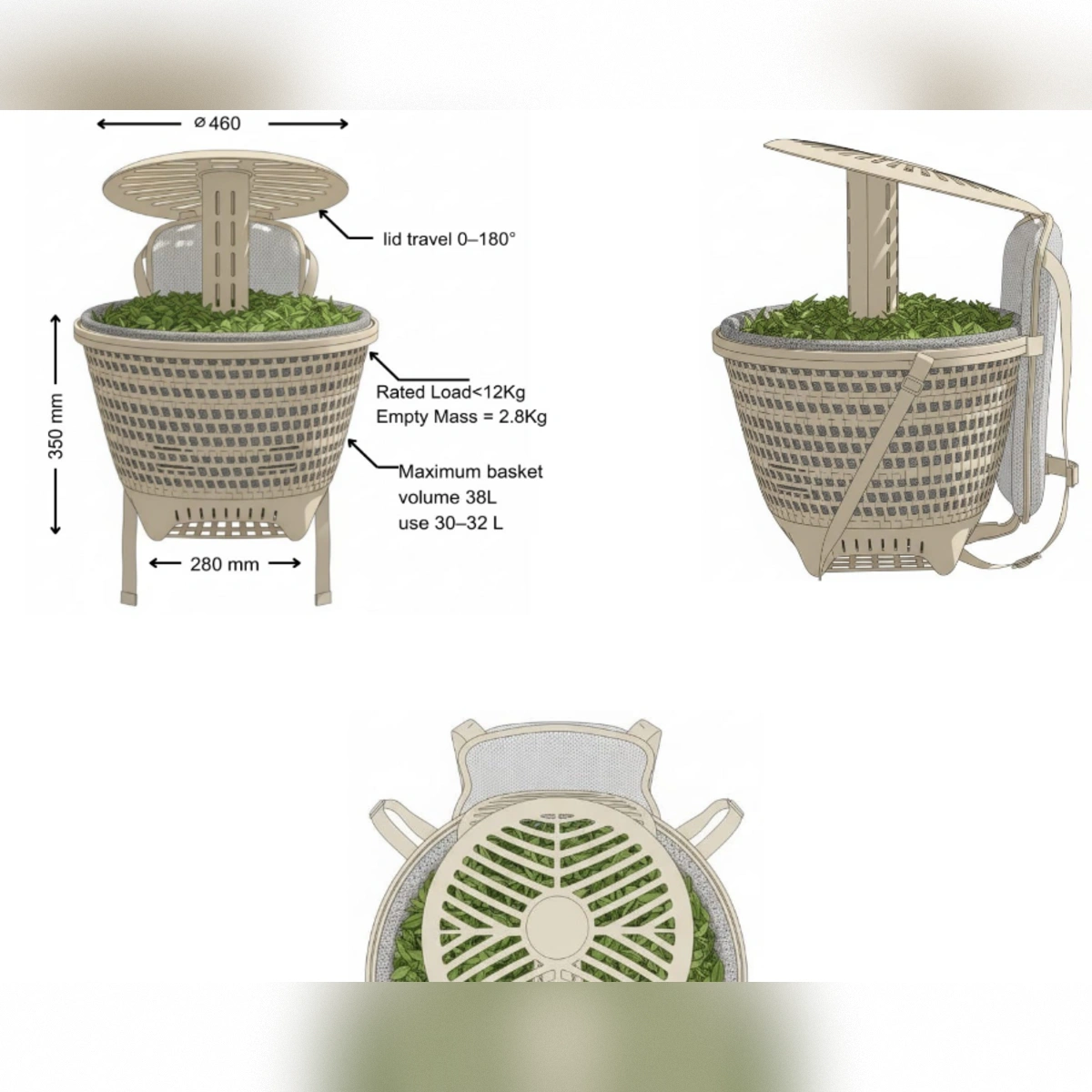
Designed an ergonomic tea plucking basket to reduce physical strain, improve posture, and minimize repetitive stress during harvesting activities.
Worker Safety and Productivity
Proposed practical ergonomic improvements that support worker wellbeing, reduce injury risks, and contribute to sustainable tea production.