Paper track: 01
Publication Information
- Category: Conference paper
- Research Area: Ergonomics, Industrial Design, Human Factors Engineering
- Publication Year: 2025
- DOI: 10.38032/scse.2025.3.186
Ergonomics in Industrial Design
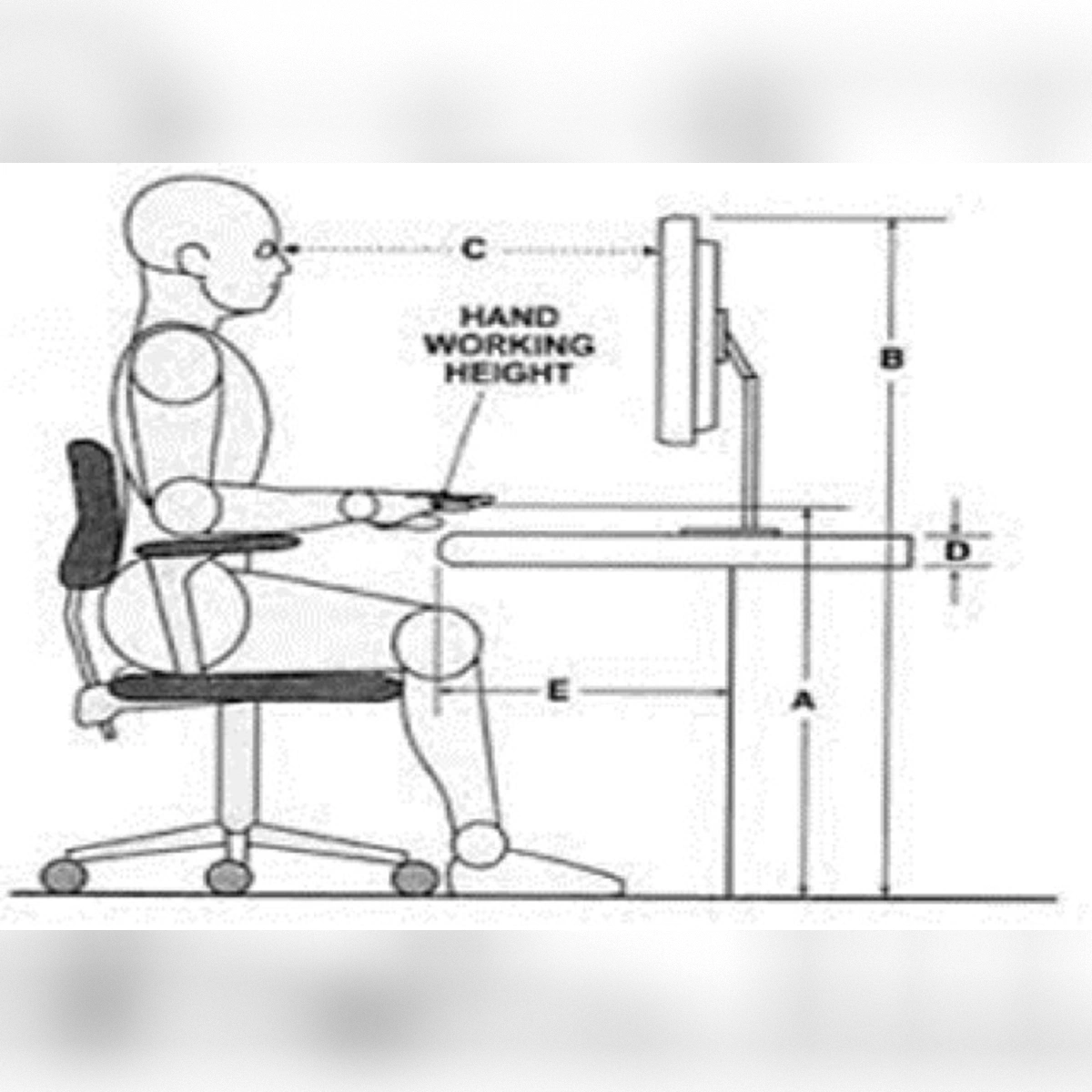
Today, the quality of work lives, occupational safety, and health are issues that both management and employees care about.Information and communication technology, specialized jobs that need repeated tasks, and other new advancements all contributeto the need for human factors engineering. Through the analysis, design, testing, and evaluation of the workplace and humaninteractions, human factors engineers are able to establish safe, effective, and fulfilling work environments. In order to createsystems, organizations, jobs, machines, equipment, and consumer goods that are safe, effective, and comfortable for individuals touse, ergonomics incorporates knowledge of human capabilities and limitations. The basic philosophy of ergonomics is to designworkstations that are comfortable, convenient, and productive to work at. According to its definition, ergonomics is the "science offitting the job to the works". Hence, being an engineer is frequently advantageous when it comes to properly incorporatingergonomics into manufacturing design and planning. Ergonomics is highly related to safety due to its inherent linkage with human-environment interactions. The purpose of ergonomics is to employ design and training to improve comfort, safety, and productivity.Through the implementation of ergonomics an industrial engineer can improve productivity, high employ morale and the quality ofproducts, which will smoothen the operation of an industry. The paper includes (i) the importance of ergonomics in industrial design(ii) ergonomics within industry and manufacturing (iii) ergonomics relation with industrial engineering and (iv) applicability ofergonomics in chair and table design have been cited in this paper. (1) (PDF) Ergonomics in Industrial Design.
Research Highlights
Human Factors Engineering
Focused on fitting workstations, tools, equipment, and work environments to human capabilities and limitations.
Workplace Safety and Comfort
Explained how ergonomic design can reduce strain, improve safety, and support healthier working conditions.
Manufacturing Productivity
Showed how ergonomics can improve worker efficiency, product quality, morale, and industrial workflow.
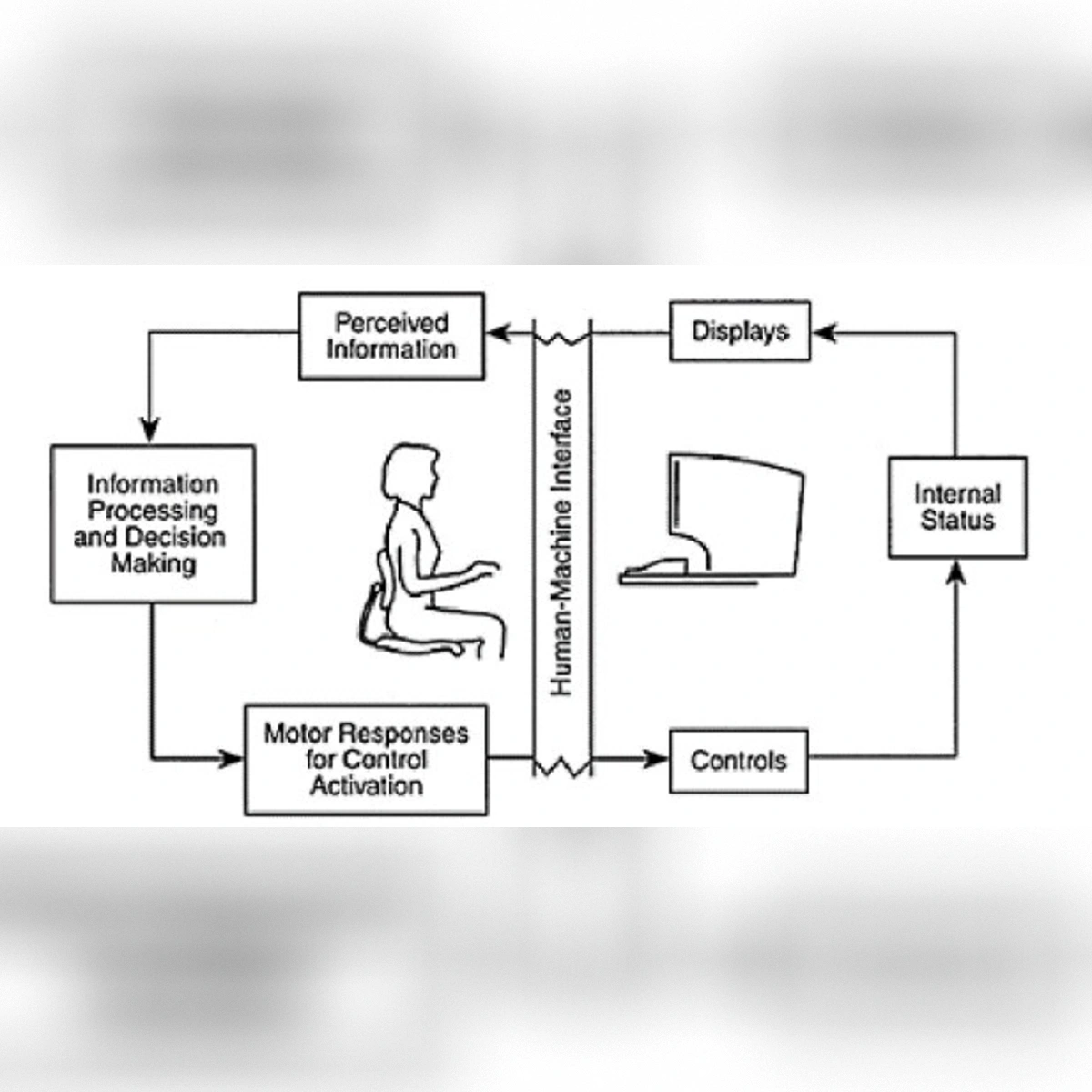
Human Machine Interface
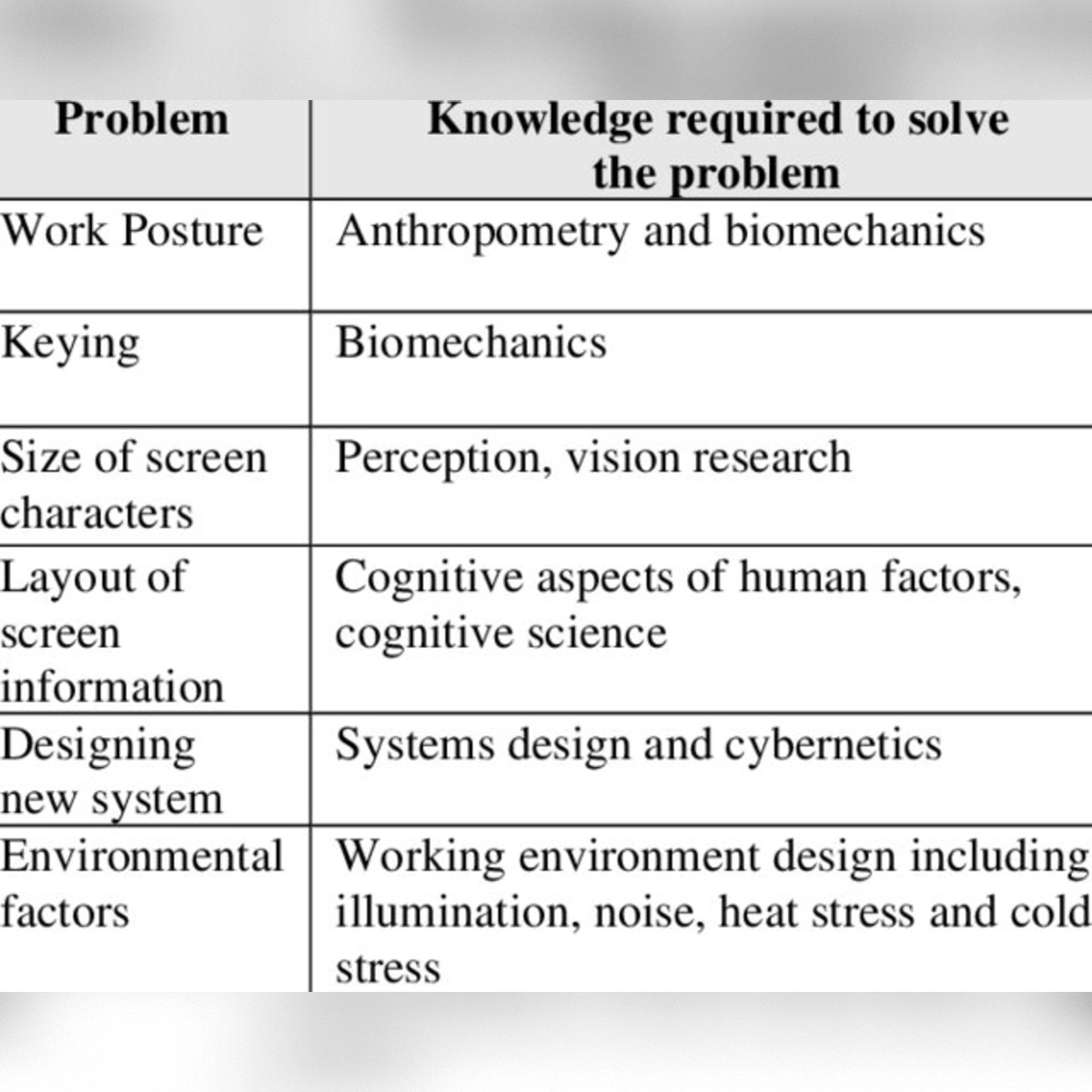
Analyzed computer workstation design issues such as posture, screen layout, keying, visual display, and environmental factors.